Perspective
Magdalena’s life and work have taken her across countries, cultures, industries, and perspectives— from global food production to architecture to artificial intelligence. Long she saw these as separate pursuits, but increasingly, she sees them as integral areas of the human life: what we do with our food, how we build our shelters, and what tools we use, are ways of asking how we should engage with the world rather than be passive passengers within ever more distant and complex systems.
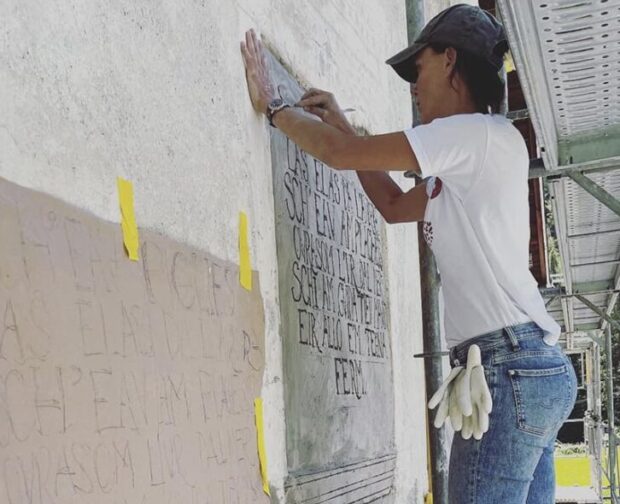
Since leaving corporate work in global food production and the tech sector, she works in architecture and agriculture. With her real estate devlopment company VALDE, she restores historic places. She works not only as developer and general contractor, but often as a craftswoman as well — an expression of her belief that we should remain active participants in shaping the places we inhabit.
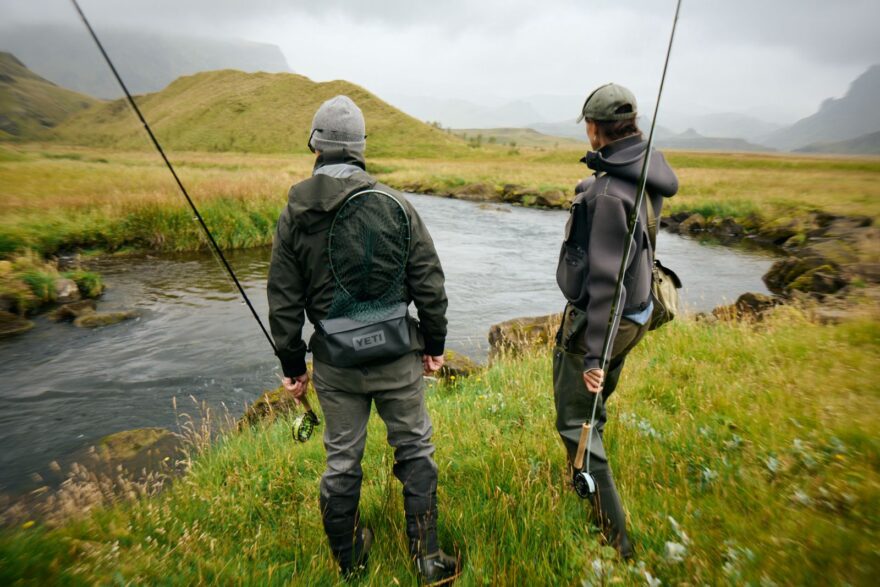
She also stewards the Heidarvatn valley in southern Iceland, with a focus on the health of its land and water. Guests are invited to fly fish there as a way of entering into the life of the place rather than merely observing it.
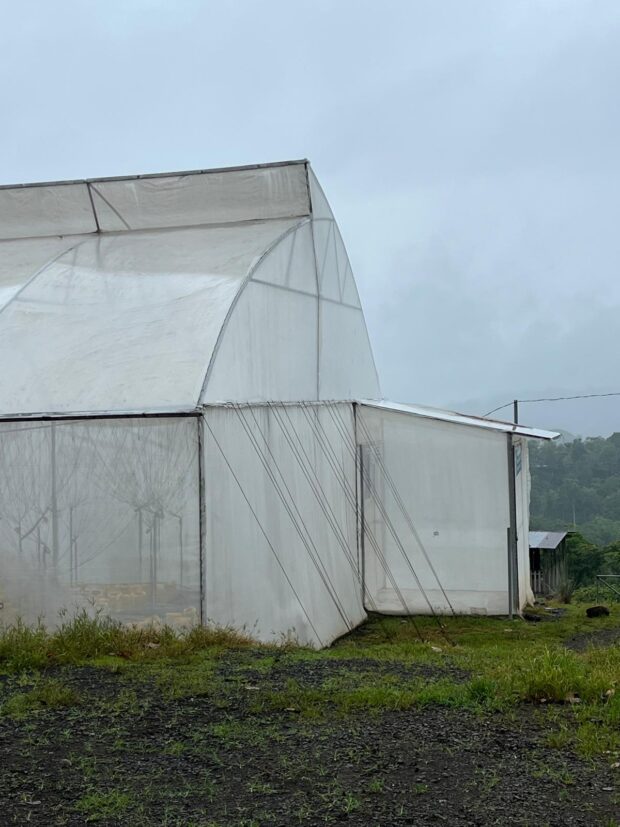
In Central America, Magdalena is involved in a regenerative farm. Having previously worked in large-scale food production in the region, she now finds herself returning to agriculture at a very different scale, with a growing interest in what good stewardship asks of us.
A connection to land has always been a constant in my life. It is through participating in nature that we come to understand our dependence on it, our responsibility toward it, and its beauty.
Magdalena became aware early of the complexity of belief and belonging. She was raised in a Muslim country by Swiss atheist parents and attended school among American missionaries. She later lived in Sweden and Mongolia before spending decades in the United States, while remaining professionally active across Asia, Central America, the United States, and Europe.
She now lives in Switzerland with her children and continues her work across architecture, food production, land stewardship, and artificial intelligence.
Through the Gottlieb Naef Foundation, Magdalena brings her interest in agriculture and practical knowledge to young people in poor rural communities, supporting education, skills, and a stronger sense of agency over the resources around them.
We are Responsible
“It is our duty to ask ourselves how we live in our land, produce our food, and develop our tools, regardless of our position or resources.” -Magdalena